
Views: 0 Author: Site Editor Publish Time: 2026-10-30 Origin: Site


LC series compounds such as LC600 and LC2000 are popular biochemical raw materials widely used in laboratory scientific research.
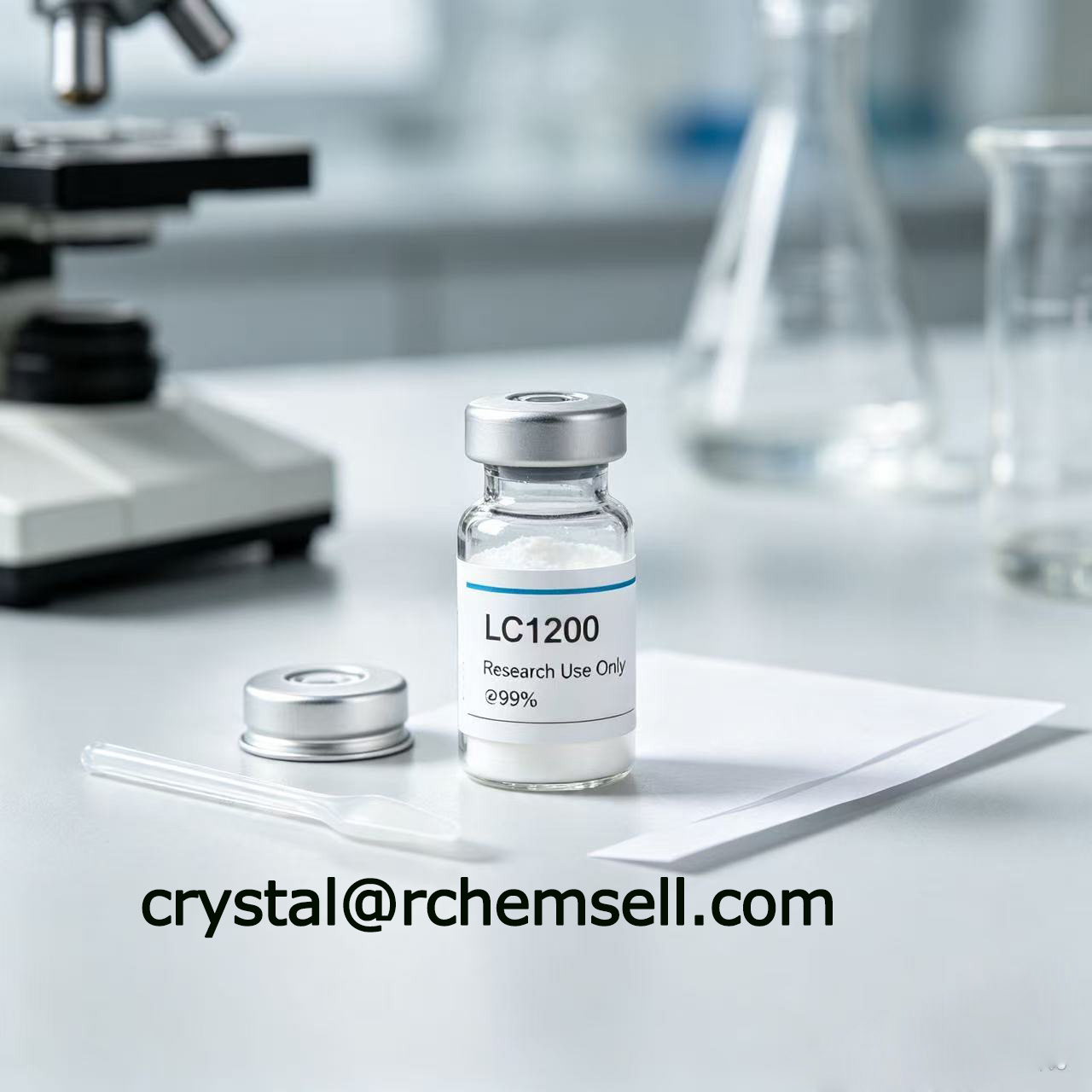
Cutting-edge Research
Many academic labs are exploring the biological characteristics of LC600 and LC2000. Current frontier studies mainly focus on cell metabolism and biochemical pathway analysis. Researchers keep testing different dosages and formulation combinations to uncover more biological properties. Most of these works stay at the pre-clinical laboratory stage.
Research Applications
1. Cell metabolism related in-vitro lab study
2. Biochemical mechanism exploration
3. Pre-experiment screening for biological research
4. Academic institute & biotech lab test projects
Commercial Development
The global demand for LC-series research materials keeps growing. Biotech labs and research institutions need stable, high-purity raw compounds for their ongoing projects.
Suppliers can offer bulk supply, free samples and custom synthesis / custom packaging to meet different lab requirements. The market requires strict batch consistency and complete COA testing reports.
Important Disclaimer
LC600, LC2000 and all LC series products are for laboratory research use only. Not for human injection, consumption, food, drug or cosmetic use.
Image ALT for blog insert
alt: LC series research raw material LC600 LC2000 lyophilized powder vials for biochemical laboratory study, free sample and custom service available


