
Views: 0 Author: Site Editor Publish Time: 2026-10-29 Origin: Site


TB-500 (CAS:885340-08-9, Ac-Leu-Lys-Lys-Thr-Glu-Thr-Gln) is a synthetic 7-amino-acid bioactive fragment derived from Thymosin Beta-4 (Tβ4). It has become one of the most widely studied regenerative research peptides in preclinical labs worldwide.
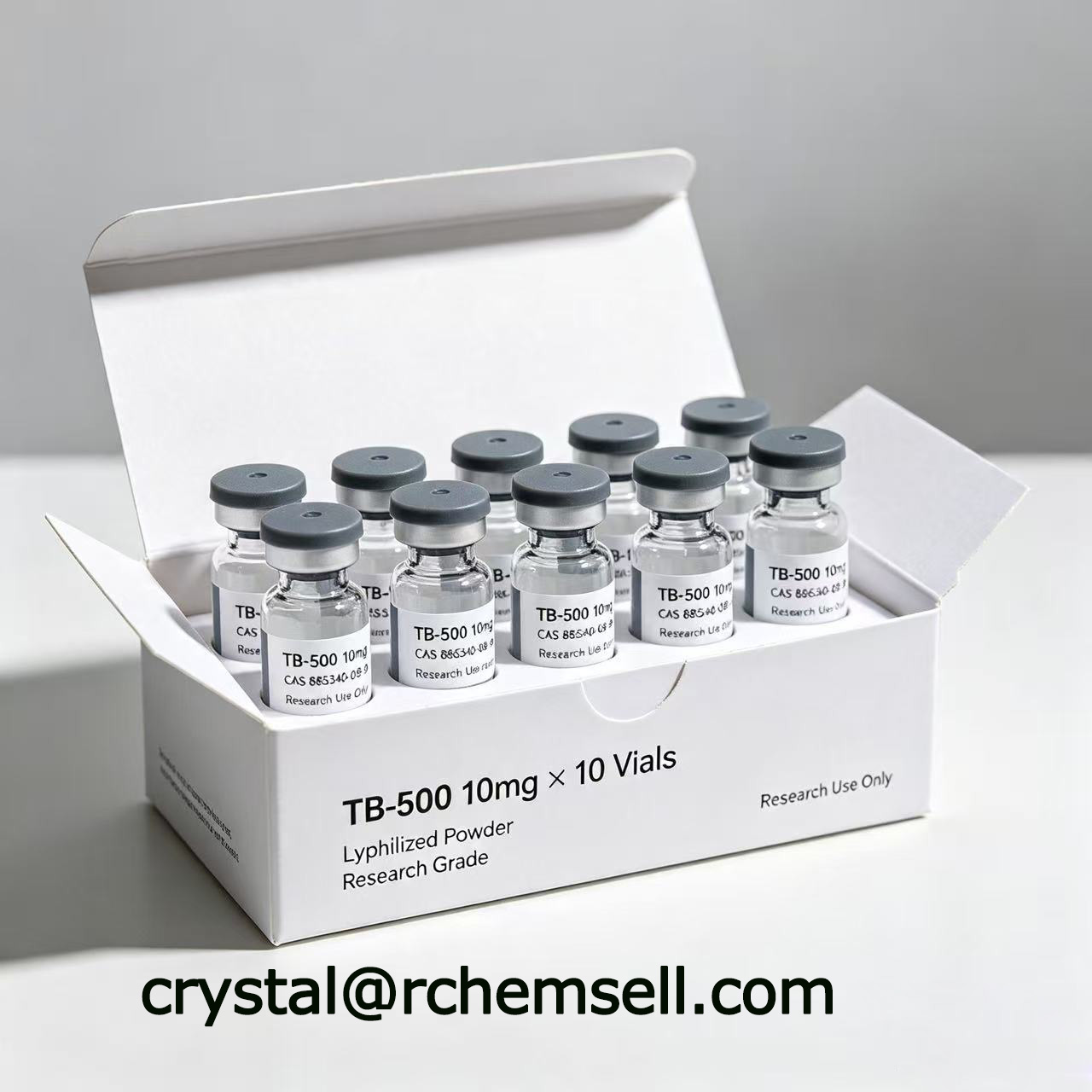
Core mechanism: TB-500 regulates actin dynamics, promotes cell migration to injury sites, stimulates angiogenesis and modulates inflammatory response. In in vitro and animal studies, it shows potential for wound repair, tendon/ligament and soft tissue recovery, reduces fibrosis, and also has preliminary research on cardiac tissue protection.
Latest research progress (2024–2026): Most direct TB-500 studies remain preclinical. A 2024 published paper established UHPLC-MS detection method for TB-500 and its metabolites, verifying its wound-healing activity in cell scratch assays. In July 2026, FDA PCAC advisory committee voted to recommend TB-500 to the 503A bulk list, but this recommendation is non-binding, and TB-500 has NOT obtained official drug approval for human treatment.
Research status: TB-500 occupies an important place in regenerative peptide research. Compared with full-length Thymosin Beta-4, this short fragment features lower molecular weight, easier chemical synthesis and better stability for lab research. It is commonly paired with BPC-157 for combined tissue regeneration research in many labs.
Disclaimer: TB-500 is research-grade peptide only, solely for laboratory scientific research. Not approved for human injection, consumption or clinical therapy.


